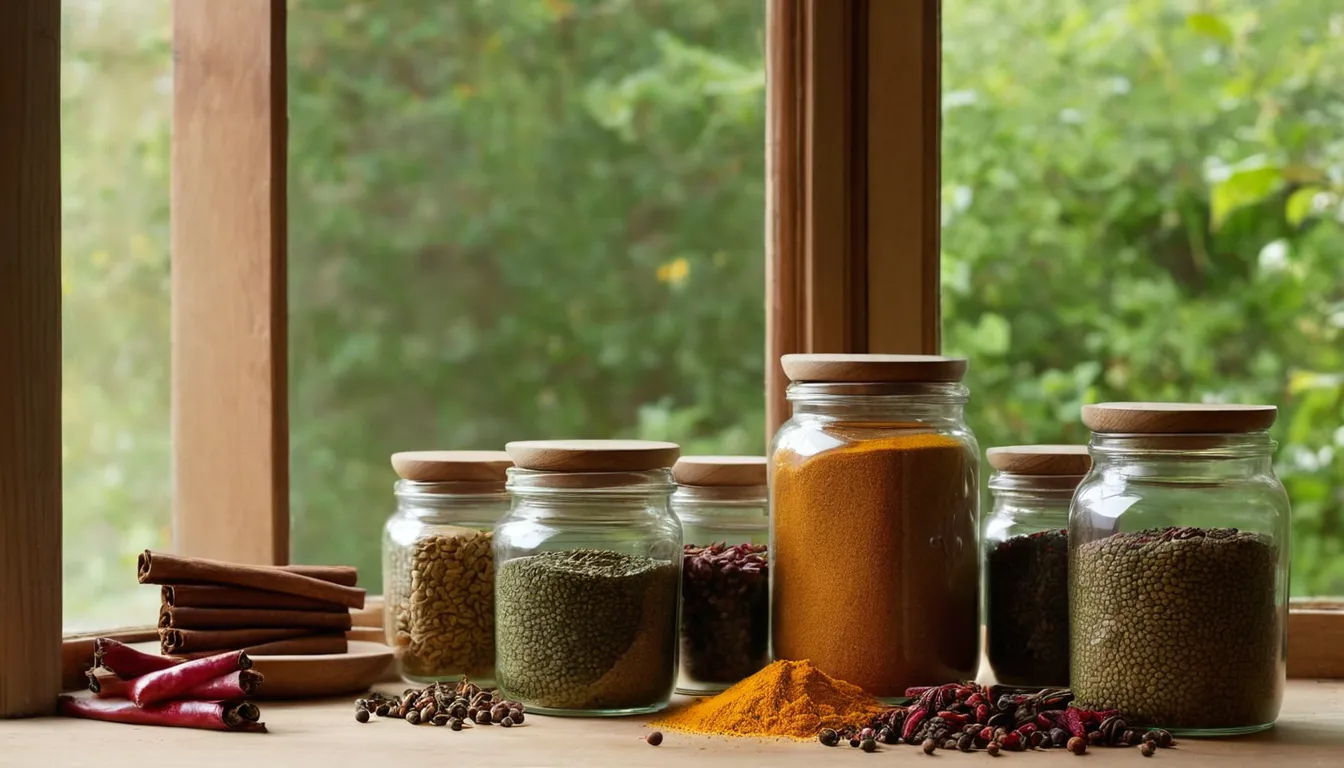
The spice drawer
Each tin shows a spice's real color and form: ground, whole, a blend, leaves, threads or flakes. The green chips link to the region guides that use it most.
Buying spices
- Buy whole when you can. Whole seeds and pods keep their aroma much longer than ground spice.
- Buy small. A small bag you finish in a few months tastes better than a large jar that sits for years.
- Try grocers that serve the cuisine. Their spices often sell fast, so stock stays fresh.
- Check blends. Garam masala, ras el hanout, berbere and za'atar vary widely by maker. Read the ingredients, and taste a little before cooking with it.
Storing spices
Heat, light, air and moisture all fade spices. Keep them in airtight containers in a cool, dark cupboard, away from the stove. Ground spices lose their aroma faster than whole ones. The simplest test is your nose: rub a pinch between your fingers, and if it smells weak or dusty, replace it. Old spices are rarely a safety concern. They just add very little flavor.
Toasting, blooming and grinding
- Toast whole spices in a dry pan over medium heat, shaking often, until fragrant and a shade darker. Tip them out right away so they stop cooking.
- Grind them once cool, in a mortar and pestle or a spice grinder kept just for spices.
- Bloom spices in fat at the start or end of cooking, as in South Asian tempering. Fat carries flavor through the dish better than water.
- Add delicate spices late. Blends like garam masala and finishing spices like sumac lose their top notes with long cooking.
Sauces, pastes and staples
Beyond spices, a few jars and bottles carry a lot of flavor.
| Item | What it is | Where it is used | Good to know |
|---|---|---|---|
| Soy sauce | Fermented soybeans, usually with wheat | East and Southeast Asia | Most styles contain wheat. Tamari is often made with little or none, so read the label. |
| Fish sauce | The liquid from salted, fermented fish | Southeast Asia | Adds deep savory flavor in small amounts. Contains fish. |
| Miso and doenjang | Fermented soybean pastes | Japan and Korea | Stir in near the end. Hard boiling dulls the aroma. |
| Gochujang | Fermented paste of chile, rice and soybeans | Korea | Sweet, savory and hot at once. Often contains wheat. |
| Tahini | Ground sesame seed paste | Middle East | The oil separates, so stir well. Sesame is a common allergen. |
| Harissa | Chile paste with garlic and spices | North Africa | Heat varies widely between batches. Taste before you measure. |
| Coconut milk | Grated coconut flesh pressed with water | South and Southeast Asia, Caribbean, West Africa | The cream rises in the can. Shake it, or skim the cream to fry curry paste. |
| Tamarind | Sour pulp from a tree pod | South and Southeast Asia, Mexico | Sold as a block, paste or concentrate. Strengths differ, so add a little at a time. |
| Ghee | Butter cooked until the milk solids separate and are strained out | South Asia | Handles high heat and tastes nutty. Ethiopian spiced butter is a close cousin. |
| Masa harina | Dried flour from corn treated with an alkaline solution | Mexico and Central America | Needed for tortillas and tamales. Plain cornmeal will not hold together the same way. |
Many of these contain common allergens: soy, wheat, fish, sesame, peanuts or tree nuts. Labels and recipes vary by maker, so always check the label. For allergy questions, ask a doctor or allergist; the FDA's food allergy page explains US labeling.
Each region guide ends with five things to buy first, so you can start with one cuisine instead of a full cupboard.
Spice questions
How long do spices last?
There is no single answer. Whole spices keep their flavor much longer than ground ones, and storage matters a lot. Smell and taste are the best guide.